
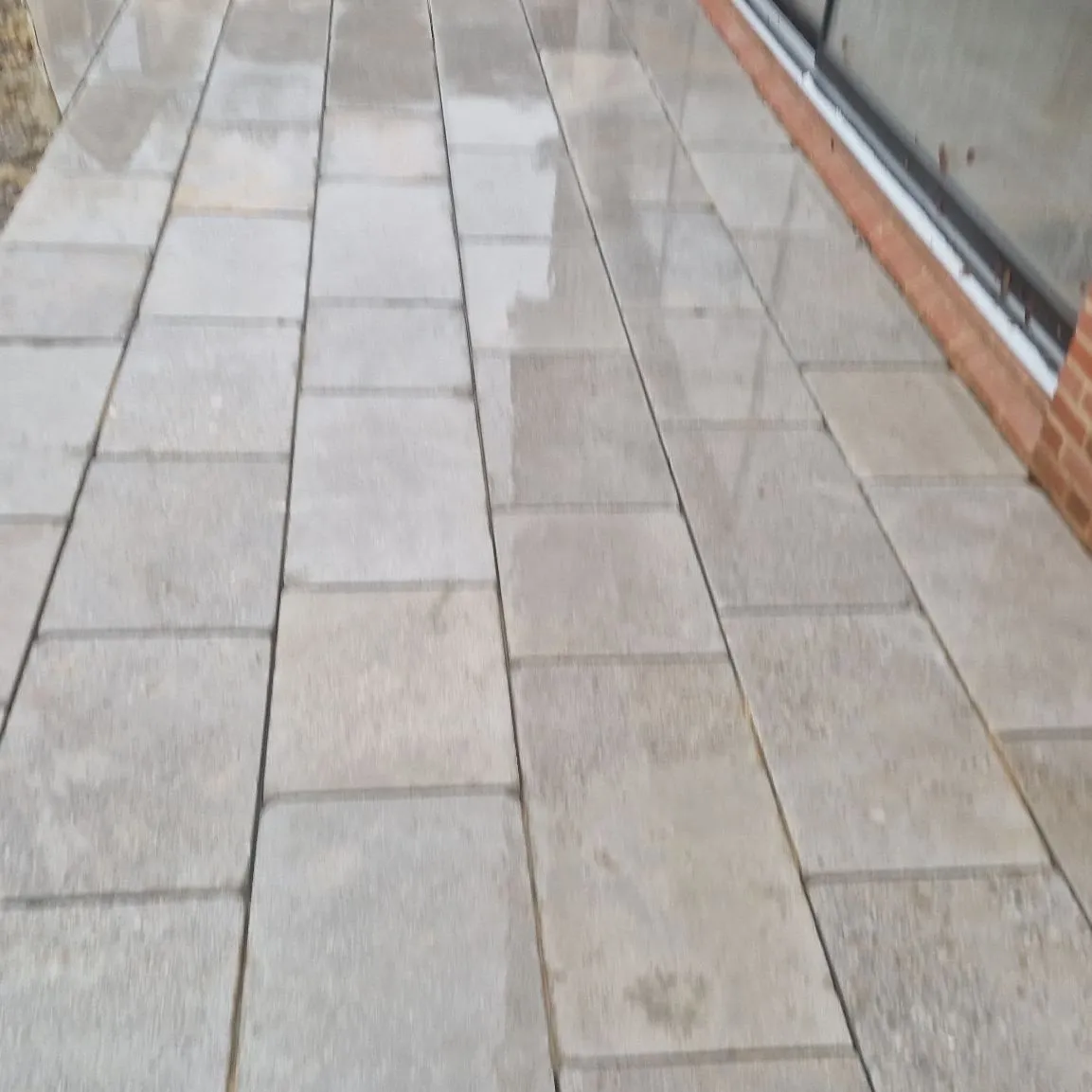
Patios and garden walls
Garden Walls and Patios in Hedge End and Hampshire
Brick and stone garden walls on proper footings, and patios laid on a compacted base with the right falls. Built by a firm whose owner started as a bricklayer and still runs the jobs.
Reviews
What customers said after the job
Every review here is a real Google review, word for word.
A garden wall or patio looks simple, which is why so many are built badly. Walls on shallow concrete crack after one hard winter, spot-bedded slabs rock within a year, and rainwater runs towards the back door.
Pete Bartlett started as a bricklayer, with over 40 years in the building trade and 15 on high-end and natural stone work. We do everything in-house: footings below frost depth, a compacted sub-base, falls away from the house, and the last pointed joint.
Patios Built on a Proper Base
The patio you see is the top few centimetres. What keeps it flat is underneath, and what keeps the house dry is the fall and the gap below the damp proof course.
- Dig-out. Usually 150mm to 200mm below finished level, topsoil and roots out
- Sub-base. Type 1 crushed stone compacted in layers so it cannot settle later
- Bedding. A full mortar bed, never spot-bedded, so no slab can rock over a void
- Porcelain. A slurry primer on the back of every tile, or the mortar will not grip
- Laid to a fall away from the house, onto lawn, border or drain
- Finished at least 150mm below the damp proof course, or a channel drain along the wall
Porcelain, Natural Stone and Block Paving
The material changes how the patio is laid, and each has its own habits. Natural stone is the work Pete has specialised in for 15 years.
- Porcelain. Dense and stain resistant, cut with a diamond blade, tight even joints
- Choose an outdoor grade with a textured surface for grip in the wet
- Natural stone. Sandstone, limestone and slate vary slab to slab, which is the appeal
- Hand-riven stone is bedded individually to bring each slab level with its neighbours
- Some stones need sealing or a particular jointing compound to avoid staining
- Block paving. Vibrated on sharp sand with a haunched edge restraint; permeable versions drain through
Brick and Stone Garden Walls
A garden wall has no house to lean on. It stands on its own in wind and frost, often with soil banked against one side, and it has to be built for that. Matching old brick on the house is on our brickwork page.
- Footings. A concrete strip below frost level, typically 450mm down, deeper on clay
- Thickness. Half-brick walls stay low and rely on piers; taller walls go a full brick thick
- Bricks and mortar. Frost-resistant facings, a mix to suit how exposed the wall is
- Movement joints. Built in at intervals, rather than letting the wall crack where it chooses
- Copings. A cap that throws rain clear of both faces
- Stone walls get the same groundwork, laid in lime where they meet older masonry
Piers, Copings and Gate Openings
Piers are what keep a garden wall standing, and a coping is the cheapest part of a wall to get right and the most expensive to neglect.
- Piers bonded in at regular centres turn a half-brick wall rigid
- On longer walls the piers are the natural place for movement joints
- Gate piers built larger, on a deeper footing, with steel posts or hinge pins built in
- Pier positions set from the actual gate or the gate maker’s drawing
- Brick-on-edge copings over a double creasing tile course
- Stone copings with a throated drip, and pier caps bedded on a damp proof course
Drainage and Levels
Water is what ruins patios and walls, so drainage is settled before a single slab is cut. All levels are set from one datum, normally the house damp proof course, with a laser level and string lines.
- Patios laid to a fall of roughly 1 in 60 to 1 in 80
- Riven stone needs a steeper fall than smooth porcelain, because the face holds water
- Water taken to a lawn, a border, a stone-filled soakaway or a channel drain
- Weep holes and gravel backfill behind walls with soil banked against them
- Without them, water forces through the brickwork and salts and frost do the damage
- Walls on a slope stepped in level runs, so every course stays horizontal
How a Patio or Wall Job Runs
You choose the material and layout first. Look at samples outside, wet and dry: porcelain and stone both change colour in the rain. Wider garden rebuilds run alongside our landscaping work as one job.
- The outline marked on the ground so you can check it against furniture and doors
- Dig-out and muck-away, sub-base compacted, drainage set, slabs laid, then jointing
- New slabs unwalked for a day or two; furniture waits for the joints
- A wall runs from footing, left to cure, to brickwork, then copings and pier caps
- No mortar or concrete laid when frost is expected
- Heavy rain stops jointing, because it washes the mix out of the joints
How It Works
From first visit to finished patio or wall
What goes under the ground decides how long a patio or wall lasts, so that is where every job starts.
Tell us the job
Use Quick Quote Online or call. Tell us the size of the patio or wall, the materials you like, and send a few photos of the space.
Site visit and written quote
Pete looks at the ground, the house DPC level, access and where rainwater goes, then you get a written quote setting out dig depth, sub-base, bedding, drainage and materials.
Build and sign-off
Footings and compacted sub-bases go in first, with levels set from the house, then slabs are laid on a full bed, walls built and capped, and the site cleaned down.
Ready when you are. Quick Quote Online
Our Work
Patios & Garden Walls: photographs from our own jobs
Pick a type of work to see it. These are our own photographs, taken on jobs, not stock images.
Areas We Serve
Where we build patios and garden walls
We build patios and garden walls from Hedge End across nearby towns and villages, including West End, Botley, Bursledon, Netley, Hamble-le-Rice, Warsash, Locks Heath and Southampton. Older houses in the villages often call for stone or lime-mortared brick to match what is already there, while newer homes tend towards porcelain and crisp brick walls. We choose materials to suit the house.
- Hedge End
- Bishops Waltham
- Botley
- Upham
- West End
- Warsash
- Hamble-le-Rice
- Chandlers Ford
- Romsey
- Winchester
- Chilworth
- Southampton
- Fair Oak
- Bursledon
- Curdridge
- Netley
- Bishopstoke
- Eastleigh
- Swanmore
- Hythe
- Shedfield
- Marchwood
- Swanwick
- Whiteley
- Rownhams
- North Baddesley
- Sarisbury
- Compton
- Holbury
- Totton
- Locks Heath
- Dibden
- Titchfield
- New Alresford
- Cheriton
- Kings Worthy
Related Services
Work that often goes with this
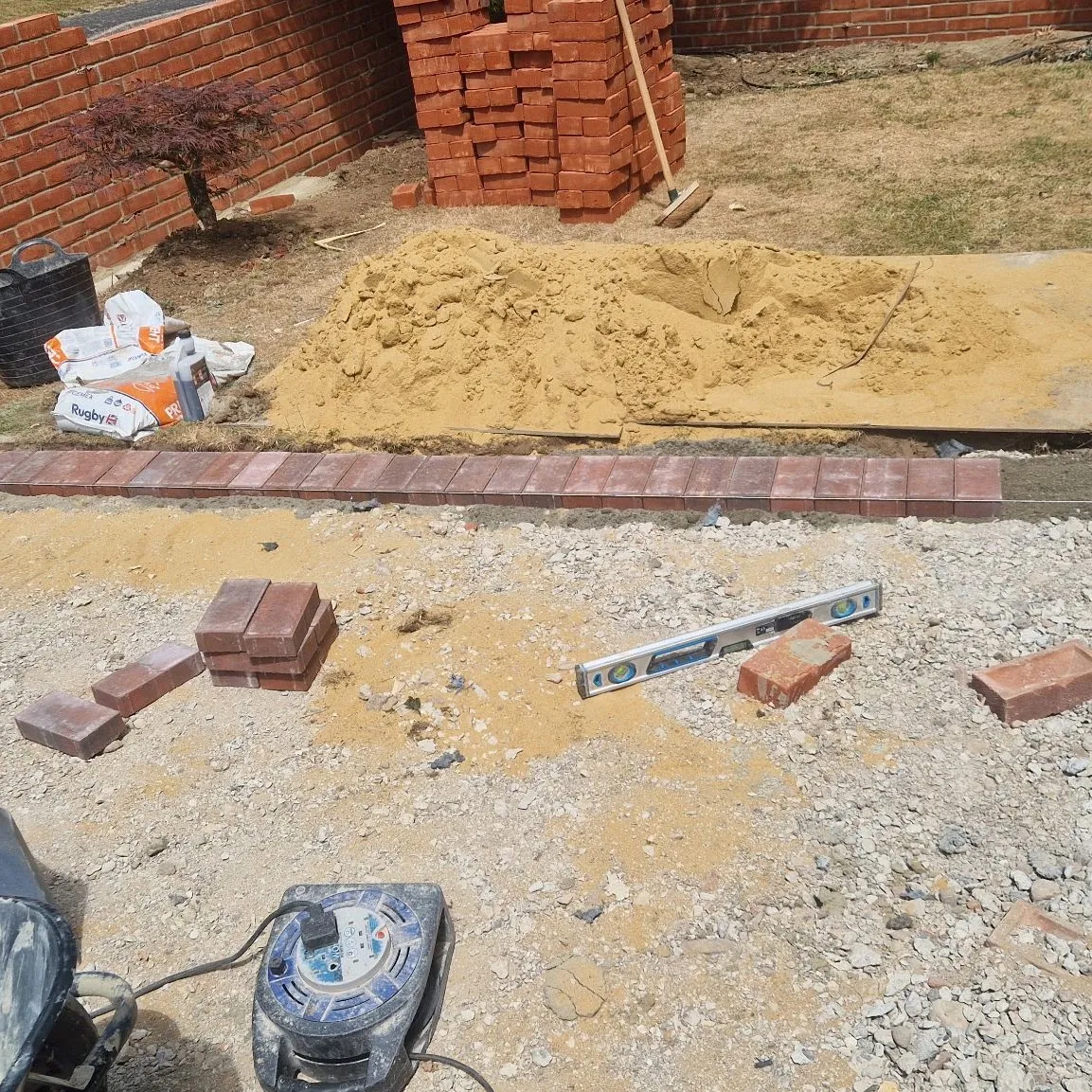
Landscaping
Hard landscaping done in-house: site preparation, levels, drainage, retaining walls, paths and paved areas.
Landscaping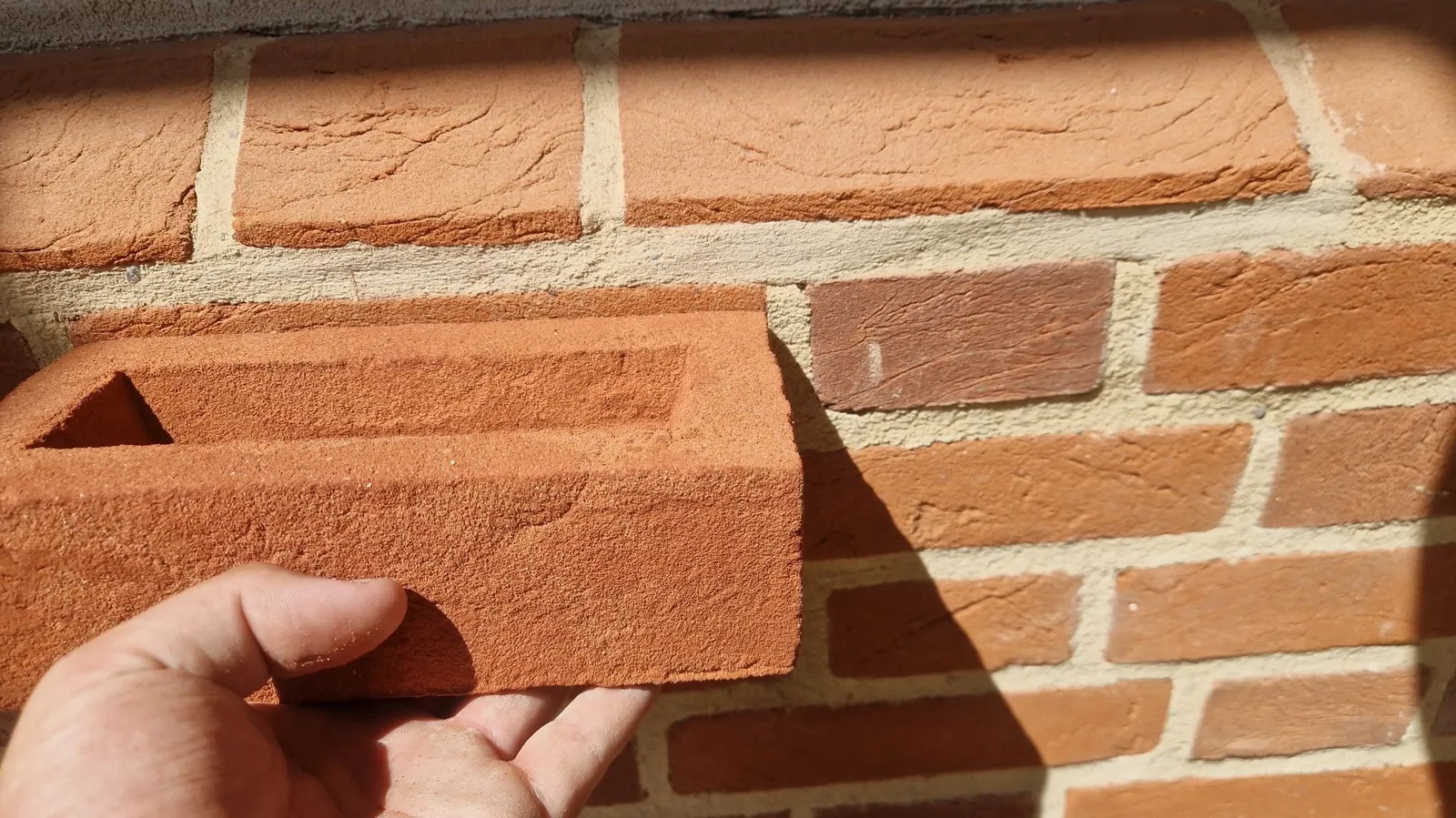
Brickwork
The trade Pete started in over 40 years ago: new walls, matching old brick, piers, arches, repointing and natural stone.
Brickwork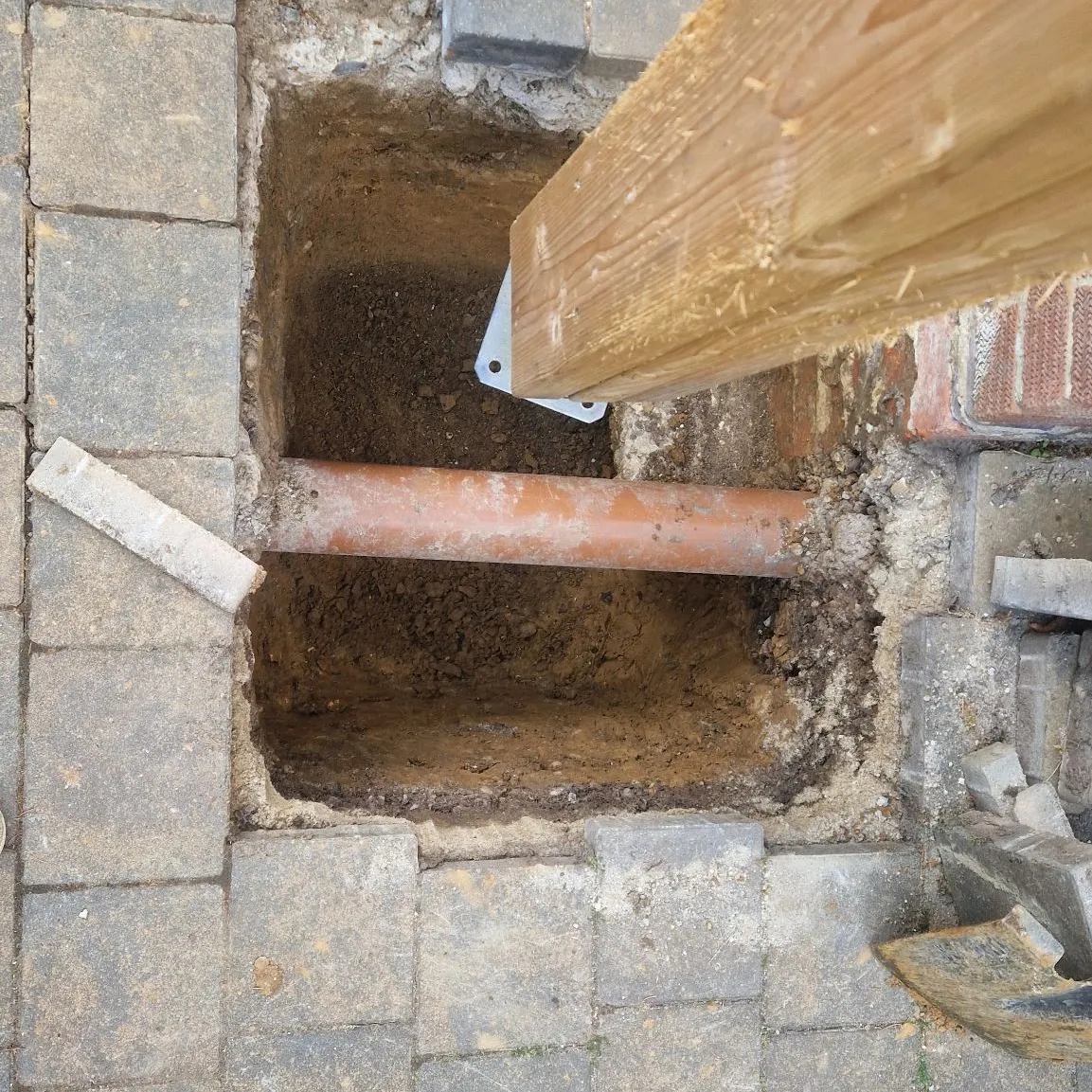
Structural & Groundworks
Foundations, drainage, slabs, steel beams and opening up walls: the work underneath every extension and new build.
Structural & Groundworks
How much does a garden wall or patio cost?
How long does a patio take to lay?
Do I need planning permission for a garden wall?
Can a new patio be laid over the old one?
Why does porcelain paving need a slurry primer?
Quick Quote Online
Tell us about your patio or wall
Rough sizes, the material you like and a photo of the space are enough to begin. Pete will come back to you to arrange a visit.
- A written quote before any work starts
- 10-year warranty on new builds
- Hedge End, Southampton and the towns around them
Rather talk it through?
Call 07853 945013